
Virtual staging is a cost-effective way to make Australian property listings stand out. By digitally furnishing empty spaces, real estate agents can create inviting visuals that help buyers imagine living in the home. With services like Fast Virtual Staging, you can get staged photos within 12–24 hours at a fraction of the cost of physical staging – around $30 per image compared to $3,000–$5,000 for traditional methods. This approach improves online first impressions, saves time, and allows for styling tailored to local buyer preferences.
Key benefits:
- Quick turnaround: Receive staged images in 12–24 hours.
- Affordable pricing: Save up to 97% compared to physical staging.
- Customised styling: Match designs to Australian regions and demographics.
- Flexibility: Experiment with multiple styles without extra costs.
Virtual staging is particularly effective for showcasing key rooms like kitchens, living areas, and outdoor spaces, ensuring buyers stay engaged with your listing. By using high-quality photos and maintaining transparency, you can elevate your property marketing and achieve faster sales in Australia’s competitive market.
Revolutionize Your Real Estate Marketing with Virtual Staging | The Ultimate Solution
How Virtual Staging Speeds Up Property Sales
Virtual staging is transforming the way Australian real estate agents tackle three common obstacles: lacklustre first impressions, time-consuming preparations, and tight marketing budgets. Let’s take a closer look at how it addresses these challenges.
Improving First Impressions in Online Listings
When it comes to attracting buyers, the first impression is everything, especially online. Empty rooms in property listings on platforms like Domain and realestate.com.au often fail to spark interest. Buyers struggle to picture how spaces can be used or if their furniture will fit. Virtual staging bridges this gap by creating instant emotional connections between buyers and the homes they’re viewing.
By staging photos, buyers gain a clearer sense of room proportions and potential layouts. For example, an empty living room that might seem small or oddly shaped suddenly becomes inviting when virtually furnished. This is especially helpful for properties with unique architectural designs or unconventional floor plans that might otherwise be overlooked.
The impact goes beyond just visuals. Staged images help buyers imagine their future lifestyle – whether it’s hosting dinner parties in the dining room or unwinding in a cosy lounge. This emotional pull keeps buyers engaged with the listing for longer and increases the chance they’ll book an inspection.
And it’s not just about aesthetics – virtual staging also speeds up the process of putting the property on the market.
Faster Delivery Compared to Physical Staging
Traditional staging is often a logistical headache. It can take weeks to organise, particularly in bustling Australian cities where weather, traffic, and furniture availability can cause delays.
With virtual staging, these delays are eliminated. Agents simply upload property photos and receive professionally staged images within a day. This quick turnaround is a game-changer, especially during peak selling periods when timing is critical.
The fast delivery also gives agents the flexibility to tweak staging styles based on market feedback, ensuring the property resonates with potential buyers.
Cost-Effective and Flexible Design Options
For many Australian property campaigns, the high cost of physical staging is a major hurdle. In Sydney, staging a house can cost around $5,000, while Melbourne agents report spending $3,000-$4,000 for similar campaigns. If a property lingers on the market, these costs can skyrocket as monthly fees add up.
Virtual staging slashes these expenses significantly. With prices as low as $30 per image, agents can stage an entire property for a fraction of the cost – up to 97% less than traditional methods. This affordability makes professional staging accessible across all price ranges.
Another major advantage? Flexibility. Physical staging typically locks agents into one design style, but virtual staging allows endless experimentation. For instance, an inner-city apartment can be styled with Scandinavian minimalism, while a suburban home can showcase a sleek, contemporary look – all without added costs.
This flexibility also opens doors to targeted marketing. A single property can be staged in different styles to appeal to diverse buyer groups. A spare room, for example, might be presented as a home office for professionals or as a nursery for young families. This approach broadens the property’s appeal and maximises its market potential.
Customising Virtual Staging for Australian Buyers
The success of virtual staging lies in understanding what appeals to local buyers. Australia’s property market is incredibly diverse – think of Sydney’s waterfront apartments versus Perth’s expansive family homes. Tailoring staging to suit each region not only enhances the visual impact but also ensures you’re making the most of the fast delivery of staged images. These custom approaches tap into staging’s proven ability to elevate a property’s appeal.
Matching Styles to Local Areas and Demographics
Different suburbs attract different buyers, so your virtual staging should reflect the personality of each area. For example, Toorak in Melbourne calls for luxurious designs with high-end finishes, while Bondi properties shine with coastal themes – natural textures, light timbers, and ocean-inspired colours.
Inner-city hubs like Surry Hills in Sydney or Fitzroy in Melbourne draw young professionals who favour industrial-chic designs. Think exposed brick, steel accents, and minimalist layouts. On the other hand, family-friendly suburbs like Castle Hill in Sydney or Brighton in Melbourne benefit from warm, functional designs that highlight safe play areas for kids and inviting spaces for entertaining.
A versatile choice across many Australian cities is Scandinavian styling, which focuses on clean lines and natural light – two things Australian buyers love. Neutral colour palettes paired with timber accents create spaces that feel modern yet inviting.
For investment properties aimed at renters, practicality is key. Highlight how a spare room can double as a home office or guest room, or show how open-plan living can cater to various lifestyle needs.
Once you’ve nailed the styling for the area, it’s time to focus on the rooms that matter most to buyers.
Focusing on Key Rooms That Influence Buyers
Certain spaces carry more weight when it comes to buyer decisions, especially in Australia. The kitchen is often the heart of the home, so stage it as a social hub. Add bar stools, fresh produce, and a coffee machine to evoke a sense of daily life and connection.
Living areas should highlight natural light and the seamless indoor-outdoor flow that Australians love. Arrange furniture to draw attention to large windows or sliding doors that open to gardens or balconies, showcasing the home’s entertaining potential.
Master bedrooms should feel like a retreat. Consider adding a reading nook or a small work-from-home setup. Built-in wardrobes are highly valued, so make sure storage options are part of the staging.
Don’t forget outdoor spaces. Whether it’s a compact balcony or a sprawling deck, these areas are key selling points. Use outdoor dining settings, lounges, or barbecue setups to show how these spaces can be enjoyed year-round.
Finally, bathrooms should feel clean and modern, with spa-like touches. Highlight storage options and natural light to meet buyer expectations.
Using Seasonal and Climate-Specific Design Elements
Australia’s climate offers unique opportunities for staging. In summer, focus on bright, breezy elements with coastal colours to create a cool, airy vibe. During winter, add warmth with throws, richer tones, and cosy furniture arrangements.
Properties in tropical regions like Queensland benefit from resort-style staging year-round. Use natural materials, ceiling fans, and furniture designed to handle humidity. Incorporate lush greenery that thrives in these conditions.
For bushfire-prone areas, staging can subtly address safety concerns while maintaining appeal. Avoid overly rustic designs or excessive timber elements, instead opting for sleek, contemporary furniture that feels fresh and secure.
Regional climates also influence staging choices. Perth’s strong sunlight calls for UV-resistant materials and light colours, while Melbourne’s unpredictable weather suits versatile spaces designed for all seasons.
The goal is to create staging that feels distinctly Australian, tailored to regional preferences, and helps buyers envision themselves in the space. With Fast Virtual Staging’s flexible design options, you can adapt to any location, ensuring your property stands out while meeting local expectations.
Preparing Property Listings for Virtual Staging
Getting property photos ready for virtual staging is a crucial step in presenting Australian homes in their best light. The quality of your original images plays a huge role in how realistic and appealing the final staged photos will appear. Skipping proper preparation can hurt your listing’s effectiveness.
Photography Best Practices for Staging
Sharp, high-resolution photos are a must. Use a 24MP DSLR or mirrorless camera to ensure the digital furniture looks natural within the space.
Lighting is everything. Aim to balance natural and artificial light – use a 45° LED panel alongside fill lights near windows to create even exposure and limit shadows.
Pay attention to colour temperature. Match artificial lighting to natural daylight (around 5,500K, similar to midday sun) to avoid harsh or unnatural tones. Tools like diffusers or softboxes can help blend lighting for a smoother, softer look.
Decluttering is equally important. A clean and empty space gives you a blank canvas, making it easier to showcase the property’s best features.
Timing matters too. Shooting during the golden hour provides warm, soft lighting, while overcast days deliver even, shadow-free illumination – perfect for interiors.
These steps help create the ideal foundation for virtual staging, ensuring the enhancements look polished and professional.
Getting Accurate Results with Consistent Perspectives
Consistency in angles and perspectives is key to achieving realistic results. Use a tripod and keep the camera height steady – between 1.2 and 1.5 metres – to maintain straight vertical lines and ensure virtual furniture looks proportional. Avoid tilted angles that can distort the final image.
Focus on highlighting the home’s best features, such as architectural details or abundant natural light. Standard lenses are your best bet to avoid distortion, and capturing multiple angles of key rooms provides buyers with a more complete view of the space.
Once you’ve captured the perfect images, being upfront with buyers about the staging process is critical.
Maintaining Transparency with Buyers
Australian regulations require clear disclosure when using virtual staging. Always label staged images to ensure buyers know that furniture and decor have been digitally added.
"Virtual staging is completely ethical as long as it’s done transparently. Sellers must disclose that the photos have been virtually staged. The staging should also accurately represent the room’s size and layout, without distorting any features. When done correctly, virtual staging is a valuable marketing tool, not a deceptive practice."
Where possible, include both the original and staged versions of a photo. This makes it clear what’s been altered, reducing any potential confusion. Virtual staging should never be used to hide flaws or mislead buyers.
Accuracy is just as important. Ensure the staged images reflect the room’s true dimensions. For example, if a room has low ceilings or an unusual layout, the staging should account for these features. Misleading images can lead to disputes, as seen in a British Columbia case where a buyer claimed the staged photos misrepresented the property. While the court sided with the seller, the incident highlights the importance of transparency.
sbb-itb-f3f2f9e
Using Fast Virtual Staging for Quick Results
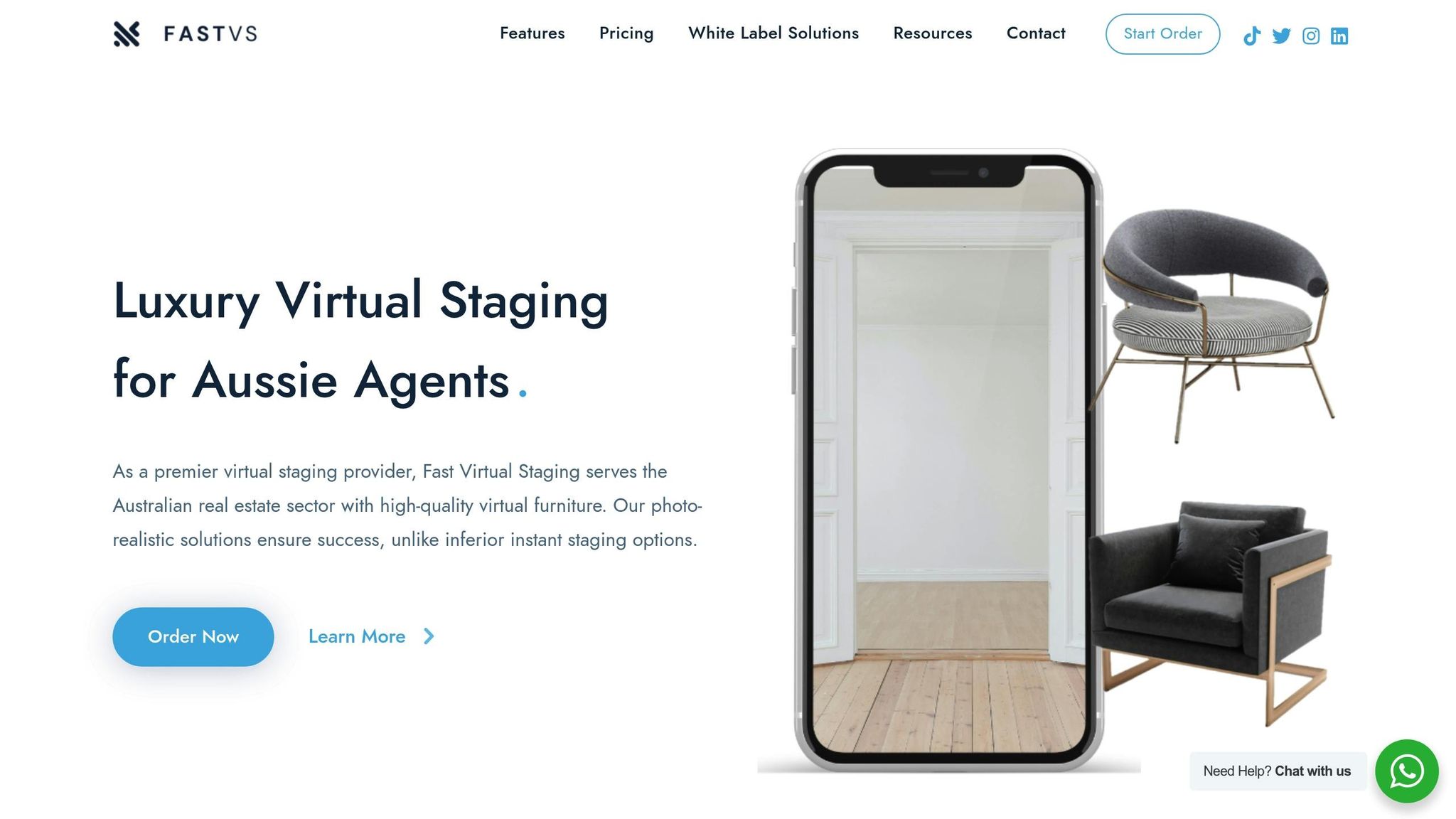
Fast Virtual Staging provides a hassle-free, time-saving alternative to traditional staging methods. By eliminating the delays often associated with physical staging, this service enables real estate agents and sellers to quickly present their properties to the market without sacrificing visual appeal. Let’s explore how its fast delivery, flexible design options, and budget-friendly pricing make it a standout choice.
Quick Turnaround to Accelerate Listings
With a promise of delivering results within 12–24 hours, Fast Virtual Staging redefines how quickly properties can be market-ready. Unlike traditional staging, which can take days or even weeks to coordinate, this service simplifies the process. From selecting a product to downloading the final images, the entire workflow takes less than three minutes. This lightning-fast turnaround is a game-changer for campaigns that are racing against the clock.
"Get your images within 24 hours or your order is free." – Fast Virtual Staging
Flexible Design to Suit Any Property
Australia’s property market is incredibly diverse, and Fast Virtual Staging is designed to reflect that. Whether it’s a heritage terrace in Melbourne or a sleek apartment on the Gold Coast, the service offers a wide range of styles to suit different tastes and property types. Popular options include Scandinavian minimalism and contemporary Australian designs, ensuring the staging aligns with local preferences. Plus, with the support of an account manager and two free revisions, the final result can be tailored to perfection – because what works for a Bondi Beach unit might not resonate with buyers looking at a family home in Perth’s suburbs.
Budget-Friendly Pricing Without Hidden Costs
At just $30 AUD per image, Fast Virtual Staging makes it feasible for sellers to stage an entire property, not just a few select rooms. This straightforward pricing model ensures that high-quality presentation is accessible to sellers across all budgets. For real estate photographers and platforms, white-label solutions offer even more competitive rates. With no extra charges for delivery or setup, the service keeps budgeting simple and transparent. These features not only speed up the process but also help sellers and agents maximise their market impact.
Measuring the Impact of Virtual Staging on Property Sales
Tracking the right performance metrics is essential to understanding how virtual staging influences your property sales. By analysing your listing data, you can fine-tune your approach, engage more buyers, and speed up the sales process.
Monitoring Key Metrics for Success
Start by looking at online impressions – these give an early indication of how well your listing is performing. Properties with professionally staged images often attract more views. Keep an eye on click-through rates on major platforms like Domain and realestate.com.au to see how effectively your staging grabs attention.
Another key indicator is enquiry volume. Whether it’s phone calls, emails, or requests for inspections, these figures reveal buyer interest. Compare these numbers before and after adding virtual staging to measure its influence. Additionally, track metrics like time on the market and attendance at open homes to spot patterns and trends.
Testing and Improving Design Choices
Once you’ve identified the metrics that matter, use them to refine your staging efforts. Virtual staging isn’t a “set it and forget it” tool. Experiment with different design styles and use A/B testing for your primary images to see which options resonate most with buyers. For example, a sleek, modern design might work wonders for a city apartment, while a suburban family home could shine with a more inviting, traditional style.
Seasonal factors also play a role. Highlight outdoor spaces during summer and create a cosy atmosphere in winter to match buyer preferences. With Fast Virtual Staging’s two free revisions per image, you can test various looks without extra costs, making it easy to adapt your staging to suit your audience. These small tweaks can seamlessly integrate into your broader sales strategy.
Timing Listings for Maximum Visibility
Strategic timing of your listings can amplify the impact of your staged images. Aligning your updates with local real estate activity ensures you maximise visibility. Since many buyers browse online in the evenings and on weekends, having your staged images live before open homes can significantly boost exposure.
Fast Virtual Staging’s quick 12–24 hour turnaround makes it easy to update listings promptly, keeping your images fresh and relevant. By factoring in seasonal trends and local events – like school holidays – you can further tailor your strategy to capture buyer attention when it counts the most.
Conclusion: Get Faster Property Sales with Virtual Staging
Virtual staging is transforming how Australian real estate professionals sell properties, turning empty or outdated spaces into beautifully styled homes. With a 12–24 hour turnaround, this tool ensures your listings stay competitive in the fast-paced property market, capturing buyer interest right from their first online search.
Compared to traditional staging, virtual staging is a cost-effective alternative that frees up your budget for marketing and other sales efforts. Plus, it offers the flexibility to tailor designs to different buyer demographics, helping you connect with the right audience.
In today’s digital-first world, where most buyers start their property search online, professionally staged images play a critical role. They generate more enquiries, increase attendance at inspections, and ultimately lead to faster sales. By combining these benefits, virtual staging creates a streamlined, results-driven process.
Whether you’re showcasing a chic Melbourne apartment or a spacious family home in Brisbane, photo-realistic renders allow buyers to visualise themselves living in the space. Fast Virtual Staging offers design styles that align with Australian tastes, ensuring the process is both efficient and impactful.
With enhanced visual appeal, reduced time on the market, and a budget-friendly approach, virtual staging has become an essential tool for real estate professionals aiming to sell properties faster. By applying the strategies outlined in this guide, you can maximise the potential of virtual staging and see tangible improvements in your listings’ performance.
Start using virtual staging today to elevate your listings and achieve quicker sales in Australia’s competitive property market.
FAQs
What are the benefits of virtual staging compared to traditional staging for selling properties in Australia?
Virtual staging brings a host of benefits to the Australian property market, especially when compared to traditional staging methods. One of its standout advantages is how much lighter it is on the wallet. By cutting out the need for physical furniture, transportation, and labour, virtual staging becomes an affordable way to present properties – regardless of the seller’s budget.
Another key perk? Speed. Virtual staging can be completed in just a few hours, unlike traditional staging, which often drags on for days or even weeks. This quick turnaround means sellers can update listings promptly and respond to market needs, giving their property a competitive edge.
And let’s not overlook how buyers respond. Digitally staged images, when done well, showcase a home’s potential, helping buyers picture themselves in the space. This enhanced visual appeal often leads to more interest and, ultimately, faster sales. For Australian sellers looking to make an impact, virtual staging is a practical and effective choice.
How can I prepare property photos for virtual staging to achieve the best and most realistic results?
To get the best results with virtual staging in Australia, start with clear, high-resolution photos that present the property in its best light. Make sure the space is tidy and clutter-free to provide a neutral and welcoming canvas. Lighting plays a big role – avoid harsh shadows or overexposed areas when taking your shots.
Take photos from angles that emphasise the room’s size and layout. Fix any distortions and fine-tune the colours to represent the space accurately. This way, the virtual staging will look seamless and natural, making the property more appealing to Australian buyers.
How can virtual staging in Australia be customised to suit different buyer groups and regional preferences?
Virtual staging in Australia offers the flexibility to reflect the preferences of various buyer groups and adapt to the nuances of local markets. For instance, younger buyers often gravitate towards sleek, minimalist interiors, while families might find warm, practical layouts that emphasise space and functionality more appealing. Adding touches of decor that resonate with specific cultural themes can also attract international buyers or niche communities.
Regional trends are equally important. Coastal properties, for example, often shine with light, breezy designs that evoke a beachside lifestyle, whereas urban homes may benefit from chic, modern styling. Tailoring staging to match buyer expectations and regional tastes can make property listings more appealing, helping them stand out and sell faster.