
Staged homes sell faster in Australia because they create an emotional connection with buyers and make properties more appealing. Whether through physical or virtual staging, showcasing a home with furniture and décor helps buyers visualise living there, which can lead to quicker decisions and higher offers.
Key insights:
- Emotional impact: Staged homes help buyers imagine their future lifestyle.
- First impressions: Thoughtful staging grabs attention in seconds, crucial in Australia’s competitive market.
- Virtual staging: A cost-effective, fast alternative to physical staging, with flexible styling options for different buyer preferences.
- Buyer preferences: Australians value indoor-outdoor living, open-plan spaces, and natural light, which staging can highlight effectively.
Virtual staging is especially useful for unfurnished properties, budget-conscious sellers, and online listings. It’s faster, cheaper, and offers tailored designs to suit diverse tastes, making it a practical choice in today’s property market.
Unlocking buyer psychology: Styling strategies that drive sales success, with Justine Wilson
How Australian Home Buyers Think
Understanding how Australian property buyers approach their decisions sheds light on why staged homes often outshine empty ones. Their choices are deeply influenced by emotions, visual impressions, and a sense of local style that aligns with their dream home. This is precisely why staging can transform a house into a space buyers can’t resist.
Building Emotional Connections: Imagining Life in the Space
In Australia, home buyers aren’t just purchasing properties – they’re investing in a lifestyle. When stepping into a staged home, they can picture themselves living there, creating a personal connection that goes beyond bricks and mortar. Imagine a dining room set up with a family table, ready for a Sunday roast. For some buyers, this might spark visions of hosting Christmas dinners or weekend barbecues. These emotional ties turn a simple viewing into something much more meaningful, helping buyers see the property as their future home.
When a home makes it easy for buyers to imagine their daily lives unfolding there, it creates a sense of ownership before they’ve even made an offer. This emotional pull often makes them more willing to meet the asking price.
First Impressions and Visual Appeal
The human brain is wired to process visual information in a flash – just milliseconds, in fact. This snap judgment often determines whether a buyer feels drawn to a property or moves on to the next option. In Australia’s competitive property market, where buyers sift through countless online listings before deciding which homes to inspect, first impressions are everything.
Staged homes grab attention instantly, while empty rooms leave buyers to do the mental work of imagining the possibilities. Thoughtfully placed furniture helps define a room’s purpose, and carefully chosen décor adds warmth and character. This presentation makes it easier for buyers to see the property’s potential without effort.
There’s also the “halo effect” at play. When buyers see a beautifully staged living room, for instance, they often assume the entire home is well-maintained and desirable. This creates an overall impression of quality and value that can be hard to shake.
What Australian Buyers Look For in a Home
Australian buyers bring specific preferences to the table, shaped by the country’s climate, lifestyle, and aspirations. Understanding these trends allows staging to connect with what they truly want.
Indoor-outdoor living is a hallmark of Australian home design. Buyers love spaces that flow seamlessly between the indoors and outdoors, and staged homes that highlight this connection strike a chord. For example, a kitchen island positioned to overlook an outdoor entertaining area can reinforce the appeal of this lifestyle.
Open-plan living remains a favourite, reflecting a desire for relaxed, family-focused spaces. Staged homes that show how a kitchen, dining, and living area can come together as a cohesive social hub help buyers imagine their family gatherings or casual evenings at home. Clever furniture placement can also create distinct zones for cooking, dining, and lounging, all while maintaining an open, airy feel.
Natural light and coastal-inspired elements also play a big role in buyer psychology. Even homes far from the beach can benefit from staging that uses light colour schemes and natural textures to evoke a sense of calm and connection to nature.
Finally, Australians value homes that encourage social interaction. Spaces designed for barbecues, dinner parties, or kids’ playdates resonate strongly. Virtual staging that highlights these areas taps into the Australian preference for homes that bring people together and foster a sense of community.
How Virtual Staging Changes Buyer Perception
Virtual staging taps into psychological cues with a level of flexibility and detail that’s hard to match. When buyers browse property listings online, this digital tool transforms bare rooms into warm, inviting spaces that align with their lifestyle dreams. Let’s take a closer look at how digital design creates tailored spaces that cater to diverse Australian preferences.
Creating Dream Spaces with Digital Design
Virtual staging offers the chance to present properties in a way that aligns with the aspirations of different buyer groups. Unlike traditional staging, which is often constrained by furniture availability or budget, digital design allows for the creation of perfectly styled interiors that mirror current Australian design preferences.
For instance, Australian homes often reflect two dominant styles: Scandinavian-inspired staging, which features clean lines, natural timber, and soft, neutral colours; and modern urban staging, which leans on sleek furniture and bold accents to create a contemporary vibe. Imagine a three-bedroom home in Brisbane: it could be digitally staged with family-focused furniture for standard listing photos, then restyled with sophisticated, minimalist pieces for open homes targeting a different audience.
One of the standout advantages of virtual staging is its ability to overcome physical limitations. Digital furniture can be scaled precisely to fit a room, colours can be perfectly matched to accentuate key features, and seasonal updates can be made quickly to align with changing trends.
Making Room Size and Layout Clear
Empty rooms often struggle to convey their true size, making it tricky for buyers to visualise the space’s potential. Virtual staging solves this by adding furniture that’s accurately scaled to the room’s dimensions. For example, a master bedroom styled with a queen-size bed, matching bedside tables, and a wardrobe instantly provides a clear sense of the room’s capacity and layout.
This approach is particularly effective in open-plan spaces. Virtual staging can divide a large room into distinct, functional zones. Picture a living area: one section might feature a sofa and a wall-mounted TV for lounging, another a dining table for six, and a smaller nook with a breakfast bar and stools. These arrangements not only highlight the room’s versatility but also demonstrate how the space can flow seamlessly for daily living.
Using Colour and Light to Create Mood
Colour and lighting play a powerful role in shaping buyer impressions, and virtual staging uses these elements to great effect. By choosing warm, neutral tones – think soft greys, warm whites, and natural timber accents – staged spaces can evoke a cosy yet stylish atmosphere that resonates with many Australian buyers.
This thoughtful use of colour works hand-in-hand with spatial design. Light-coloured furniture and carefully placed décor can enhance natural light, making rooms feel brighter and more open. Seasonal adjustments also come into play. For instance, deeper, richer tones might be used during winter to create a snug feeling, while lighter, airier hues are perfect for summer listings.
Virtual staging ensures a consistent look throughout the home, tying rooms together with harmonious colour schemes. This creates a polished, cohesive feel, leaving buyers with the impression that the property has been well cared for and designed to meet today’s lifestyle expectations.
sbb-itb-f3f2f9e
Getting the Most from Virtual Staging
Virtual staging can dramatically shape how buyers perceive a property, but to truly make your listing pop, you need the right strategies. Success lies in aligning design elements with buyer expectations and presenting spaces in a polished, professional way. A key step? Selecting digital furnishings that reflect the lifestyle of your target audience.
Picking the Right Digital Furniture and Décor
When it comes to Australian homes, a contemporary style with clean lines, warm timber touches, and neutral tones often resonates. Think light oak dining tables, linen-upholstered sofas in soft greys or beiges, and a touch of greenery with indoor plants placed strategically.
For coastal properties, embrace the charm of the seaside lifestyle. Natural textures and ocean-inspired accents – like rattan furniture, whitewashed timber pieces, and blue cushions – can create an instant connection to the relaxed vibe of places like Byron Bay.
Urban apartments in bustling cities like Sydney or Melbourne call for sleek, space-efficient designs. Modular sofas, wall-mounted entertainment units, and multi-functional pieces like storage ottomans can showcase how smaller spaces can still feel luxurious and practical.
Always match furniture to the room’s size. Oversized pieces can overwhelm a space, while undersized ones might leave it feeling empty. Keep in mind the typical layout of Australian homes to ensure good flow and balance.
Customising Staging for Different Buyer Types
Once you’ve chosen décor that enhances a property’s best features, tailor it to suit the lifestyle of your potential buyers.
For professionals, highlight functional work-from-home setups, like a spare room transformed into a stylish office with a sleek desk and chair. Families, on the other hand, might be drawn to kid-friendly zones with plenty of room to play and relax.
Empty nesters and retirees often seek comfort and elegance. A master bedroom styled as a tranquil retreat – with luxurious bedding and a cosy armchair – can appeal to this group. Spare rooms could be staged as hobby spaces or guest rooms to reflect their lifestyle.
Investors are generally focused on versatility and rental appeal. For example, showcasing a two-bedroom unit with a flexible layout – like a second bedroom that could double as a home office – can attract a wider range of tenants.
Remember to consider location-specific preferences. Inner-city properties might benefit from a sleek, minimalist style, while suburban homes can highlight family-friendly layouts and outdoor entertainment areas. For regional properties, a rustic or country-inspired aesthetic can emphasise a laid-back lifestyle.
Displaying Staged Images the Right Way
The way you present staged images is just as important as the staging itself. High-quality, consistent photos are essential for creating a professional impression. Make sure the lighting and angles in staged images match the actual property photos to maintain authenticity. This helps buyers trust the process and envision the space’s potential.
Before-and-after comparisons can be a powerful tool, especially for empty or outdated properties. Showing how a space transforms with staging helps buyers see its possibilities while being transparent about its current state.
Clearly label images as ‘virtually staged’ to ensure honesty while highlighting the design potential.
Placement of images within a listing also matters. Lead with the most eye-catching staged rooms, such as the main living area or master bedroom, to grab attention. Follow up with additional staged photos and a few unstaged ones to provide a balanced perspective.
Optimising images for online platforms is crucial. Ensure they display well on all devices, from desktops to mobile phones, and look sharp even as thumbnails. Think about how these images will appear on property portals or social media platforms.
Offering multiple staging options for the same space can further broaden appeal. For instance, a living room could be styled as a cosy family space in one set of photos and as a sleek, modern area in another, showcasing the property’s flexibility.
With services like Fast Virtual Staging offering 24-hour turnarounds, agents can quickly adapt styles to meet changing needs.
Virtual Staging vs Physical Staging in Australia
Choosing between virtual and physical staging for Australian properties comes down to understanding their differences. Each method caters to distinct needs and budgets, so knowing what works best for your situation is key.
Cost, Flexibility, and Speed Comparison
Here’s a snapshot of how virtual and physical staging compare across important factors for Australian sellers and agents:
| Factor | Virtual Staging | Physical Staging |
|---|---|---|
| Cost per room | About $30 AUD per image | Typically hundreds to thousands of dollars per room |
| Total property cost | Around $150–$300 AUD for 5–10 rooms | Significantly higher due to rental and setup fees |
| Turnaround time | 12–24 hours | Usually takes several weeks |
| Duration flexibility | Digital files are yours to use indefinitely | Limited by furniture rental periods |
| Style changes | Quick digital updates | Requires physical rearrangements |
| Weather dependency | Not affected | May face delays due to bad weather |
| Security concerns | None | Risk of theft or damage to furniture |
Virtual staging shines in terms of cost and speed, making it a go-to option in Australia’s fast-paced property market. With a one-time payment and rapid delivery, it allows sellers to get listings online quickly, which can be crucial in competitive markets. On the other hand, physical staging involves higher costs and longer preparation times, making it less suitable for sellers on tight schedules.
When Virtual Staging Works Best
Virtual staging is ideal when budget and speed are priorities. It’s especially effective for unfurnished properties, where buyers may struggle to imagine how an empty space could look. This is particularly helpful for older homes or properties with unconventional layouts that might otherwise seem uninviting.
Sellers on a budget – such as those listing investment properties, vacant estates, or homes where the owner has already moved – often prefer virtual staging. It’s also a smart choice for interstate sellers, who may find the costs of physical staging unjustifiable.
For remote sales, virtual staging can be a game-changer. Interstate or international buyers often rely on online images to make decisions, and staged photos can help them visualise living in a property they might never visit in person.
Rental properties also benefit from virtual staging. Landlords can showcase unfurnished units with appealing designs without the hassle or expense of physical furniture. Plus, if time is of the essence, virtual staging allows for immediate listings without delays.
Why Choose Fast Virtual Staging
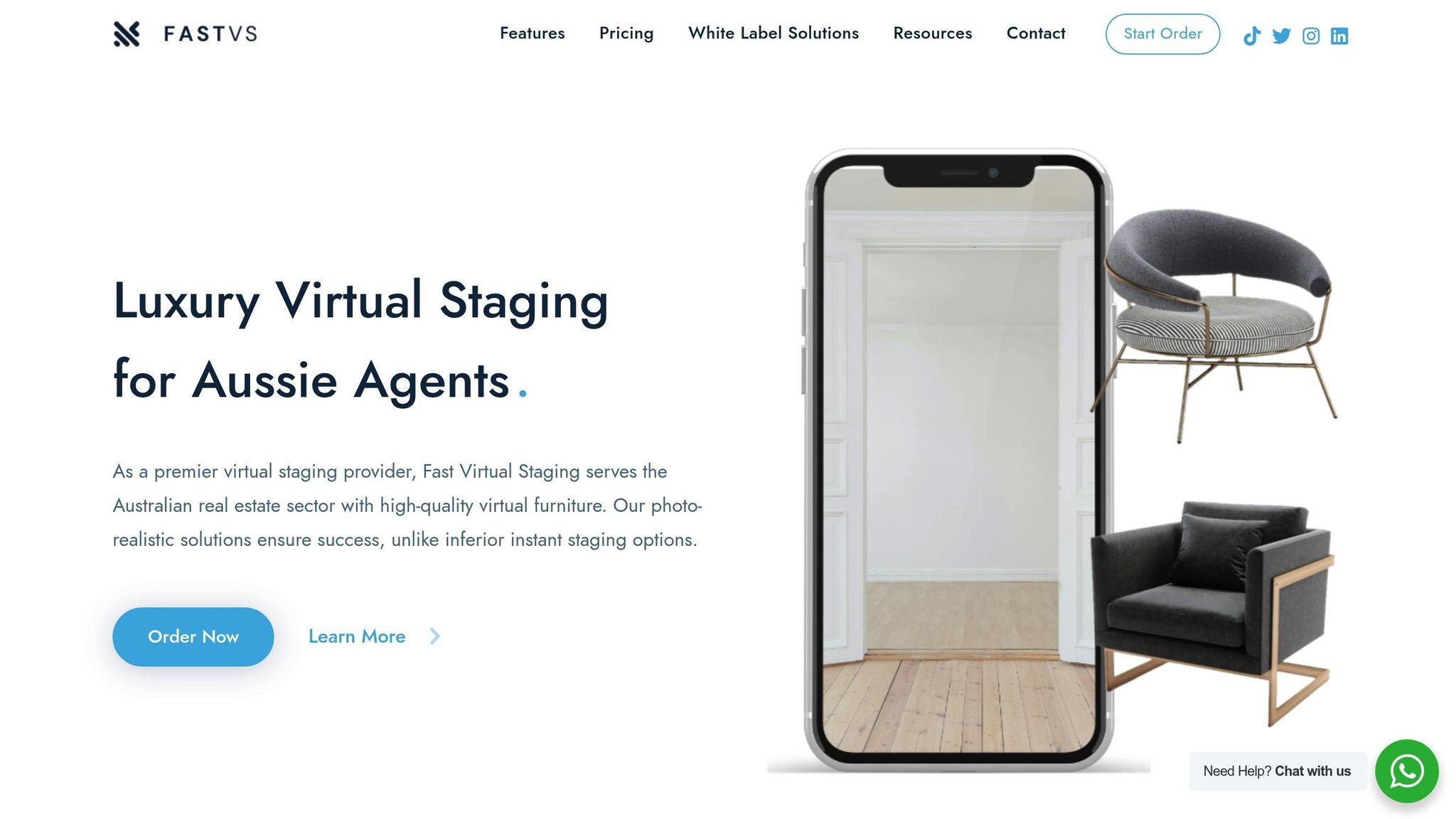
Fast Virtual Staging offers a tailored solution for the Australian market, providing flexibility and customisation to meet diverse needs. Their digital staging service lets you adapt designs to suit specific property types. For example, coastal homes can feature breezy, beach-inspired décor, while urban apartments might opt for sleek, modern designs. With two free revisions, you can fine-tune the images to align with your vision and buyer expectations.
For real estate agencies and photographers, Fast Virtual Staging also provides white-label options with special pricing. This allows you to offer staging services under your own brand while maintaining strong client relationships and earning healthy margins. An assigned account manager ensures each project aligns with local trends and buyer preferences.
The biggest advantage? Fast Virtual Staging eliminates the logistical headaches of physical staging. There’s no need to arrange furniture delivery, worry about weather disruptions, or deal with insurance and security concerns. This gives you complete control over your timeline while presenting professionally staged images that help buyers connect emotionally with the property. By speeding up the listing process and meeting buyer expectations, Fast Virtual Staging can help drive quicker sales.
Conclusion: Virtual Staging’s Impact on Australian Property Sales
Virtual staging is changing the game in how Australian properties are marketed, creating stronger connections with buyers that lead to quicker sales and higher offers.
Research shows that staged homes consistently outperform vacant ones because they satisfy key buyer needs. People want to envision a lifestyle, understand how spaces flow, and feel confident in their decision. Virtual staging meets these needs in a way that’s both efficient and affordable, making it a practical tool for results-oriented property marketing.
For real estate professionals in Australia, choosing between virtual and traditional staging often boils down to convenience and effectiveness. Virtual staging’s lower cost and faster turnaround remove many of the obstacles that have traditionally stopped sellers from staging their homes. This means more properties can take advantage of staging’s ability to appeal to buyers on an emotional level.
Advancements in virtual staging technology now produce photo-realistic images that genuinely capture buyer interest. Fast Virtual Staging’s tailored solutions ensure that each property is styled to suit its target market. By pairing these precise visuals with strategic design choices, virtual staging helps properties stand out, even in crowded listings. This tailored approach strengthens emotional connections, building on the psychological benefits already discussed.
Fast Virtual Staging goes beyond simply adding digital furniture to empty rooms. With customisable design options and two free revisions, they ensure that each property is styled to resonate with its ideal buyer. Their 24-hour delivery promise allows agents to act swiftly on market opportunities while maintaining high-quality results.
As the Australian property market evolves, virtual staging offers a smart approach to marketing, helping sellers achieve faster sales and lower holding costs. For agents, sellers, and photographers looking to tap into buyer psychology, virtual staging provides a proven way to achieve better outcomes in today’s competitive real estate landscape.
FAQs
How does virtual staging help Australian buyers connect emotionally with a property?
Virtual staging allows Australian buyers to imagine a property as their future home by showing them how the space could look and feel when fully furnished. By presenting stylishly designed interiors that showcase the property’s possibilities, buyers can more easily see themselves living there, fostering a sense of comfort and connection.
It also boosts the visual appeal of a property, drawing attention to its standout features and making it feel more inviting. This emotional connection often translates into increased buyer interest and quicker sales.
What makes virtual staging a better option than physical staging for selling homes in Australia?
Virtual staging has become a popular alternative to physical staging in the Australian property market, offering several clear advantages. For starters, it’s often more budget-friendly and quicker to implement, making it a practical choice for preparing homes for sale, especially when dealing with vacant properties. Since there’s no need to transport or rent furniture, it also cuts down on costs and avoids the hassle of managing logistics.
Another standout feature is its design flexibility. With virtual staging, you can tailor interiors to match different buyer tastes, showcasing a variety of styles and layouts. This freedom makes it easier to appeal to a broader audience while creating an emotional connection with potential buyers.
In a market where online listings are a critical first impression, virtual staging takes property photos to the next level by boosting their visual impact. Eye-catching images can draw more attention, potentially leading to faster sales and better overall results for sellers.
How can virtual staging be tailored to appeal to Australian buyers and different property types?
Virtual staging can be tailored specifically for Australian buyers by showcasing styles and designs that resonate with regional tastes and property trends. For instance, themes like modern simplicity, coastal aesthetics, or minimalist designs often appeal to local preferences. Highlighting outdoor living areas or functional and open layouts can also reflect the quintessential Australian lifestyle.
This approach works across various property types, whether it’s compact apartments, spacious family homes, or luxurious estates. Using furniture that fits the space, harmonious colour schemes, and designs that bring out the property’s standout features ensures the staging feels authentic. By considering local preferences and adhering to the metric system, virtual staging creates a stronger emotional connection, making properties more inviting and relatable for potential buyers.